Why we work too much?
November 29th, 2025
Why Do We Work Too Much?
Why Do We Work at All?
Introduction
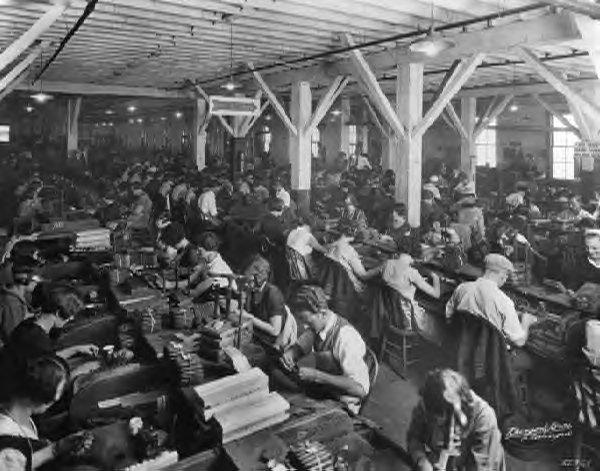
An Industry work
In today’s world, work seems to dominate our lives.
Notifications never stop, deadlines pile up, and the line between “work time” and “personal time” has almost disappeared.
But this raises two fundamental questions:
Why do we work so much? And deeper still—why do we work at all?
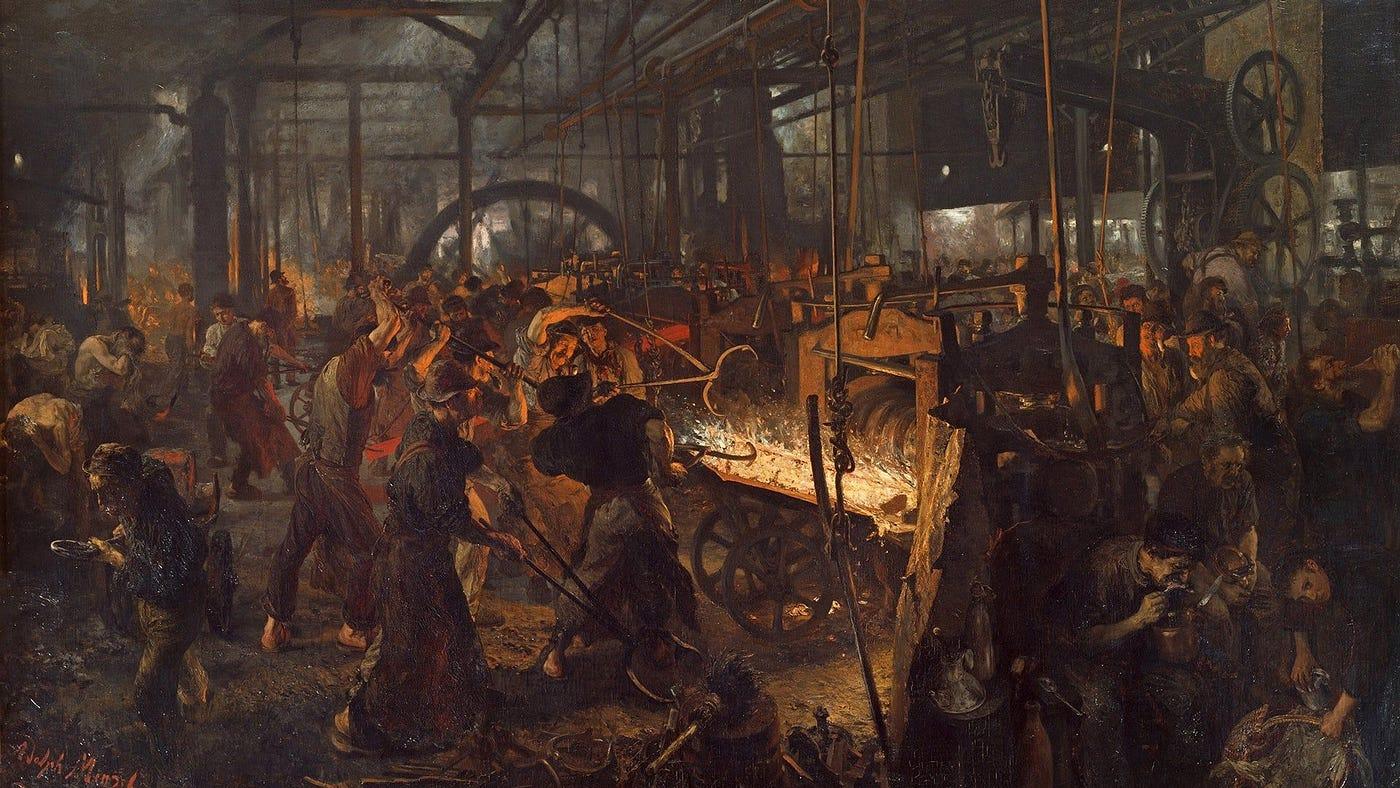
The Industrial Revolution
To understand this, we need to step back and look at the history of work, human psychology, and how modern society has reshaped our relationship with labor.
Why Do We Work at All?

Late working hours
At its core, work is about survival and meaning.
Thousands of years ago, humans worked to meet basic needs: food, shelter, and safety.
Early societies hunted, gathered, and later farmed.
Work wasn’t optional—it was directly tied to survival.
If you didn’t work, you didn’t eat.
As civilizations developed, work became more specialized.
Instead of everyone doing everything, people took on roles: farmers, builders, traders, leaders.
This specialization increased efficiency and allowed societies to grow—but it also introduced hierarchy and dependency.
Today, most of us no longer work for immediate survival. Instead, we work for:
Money (which represents access to resources)
Stability and security
Social status and identity
Personal fulfillment and purpose
Work has evolved from necessity → structure → identity.
A Brief History of Work
1. Pre-Industrial Work (Before 18th Century)
Harvesting period
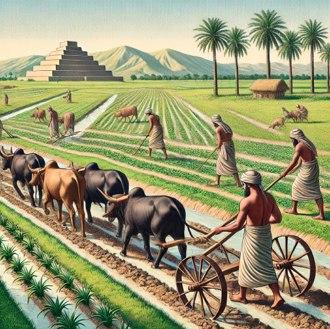
Mesopotamian cultivation
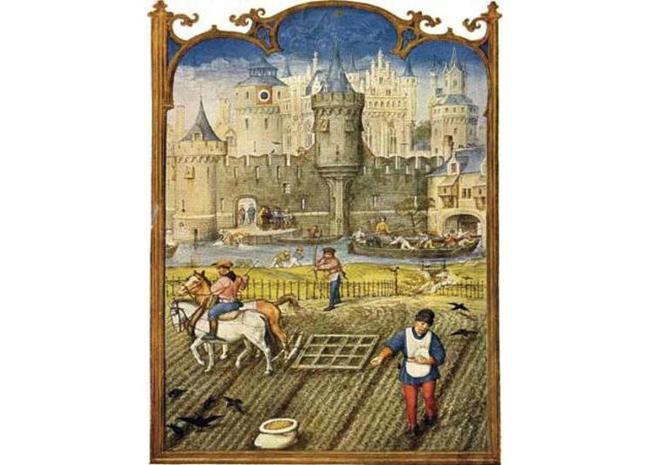
The Medieval serf
Life was slower and more seasonal.
Farmers worked hard during harvest but had quieter periods during winter.
Work and life were deeply connected—your workplace was often your home.
There was no concept of a “9 to 5.” Instead, work followed natural rhythms.
2. The Industrial Revolution
Industrial Revolution 18th and 19th century
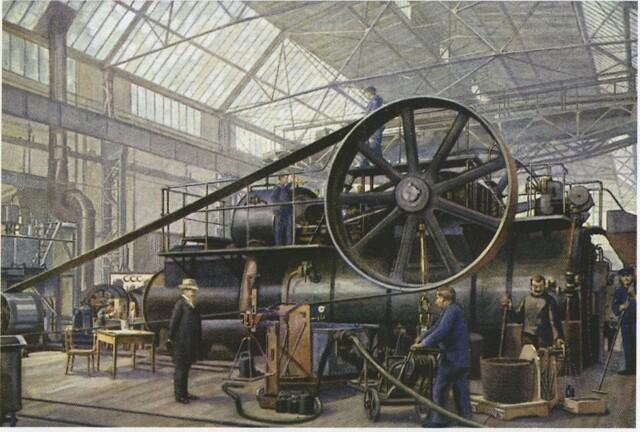
The Industry changes everything
Factories replaced farms. People moved to cities. Work became:
Structured by the clock
Repetitive and specialized
Physically demanding
Extremely long (often 12–16 hours a day)
This is where the idea of “long working hours = normal” began.
3. The Modern Era

Coworkers working on computers in modern open space office
In theory, technology should have reduced our workload.
Machines, computers, and automation made many tasks faster and easier.
But something unexpected happened:
We didn’t start working less—we just started working differently.
Why Do We Work Too Much Today?
1. The Culture of Productivity
Modern society often glorifies being busy.
Phrases like:
“Hustle harder”
“Sleep is for the weak”
“Grind culture”
…have turned overworking into a badge of honor.
Being busy is often seen as being important.
2. Technology Never Turns Off
Smartphones, email, and remote work mean we are always connected.
Work follows us home
Messages arrive after hours
There is constant pressure to respond
The result? We are physically off work, but mentally still working.
3. Fear and Economic Pressure
Even if basic survival is easier today, new pressures exist:
Cost of living
Job insecurity
Competition in the job market
People often work more out of fear—fear of losing stability, falling behind, or not being “enough.”
4. Work as Identity
For many people, the answer to “Who are you?”
is tied to their job.
“I’m a developer”
“I’m a manager”
“I’m an entrepreneur”
When work becomes identity, it’s hard to disconnect. Working more feels like becoming more.
5. The Paradox of Choice
We now have more opportunities than ever:
Career paths
Side hustles
Personal development
But this creates pressure to optimize everything—including our time. Rest can feel like wasted potential.
Are We Meant to Work This Much?
Historically, not really.
Anthropological studies suggest that early hunter-gatherer societies often worked fewer hours per day than modern office workers.
Their work was intense but not constant.
The modern pattern of continuous, high-pressure work is relatively new—and not necessarily aligned with human biology.
We are not machines. We are cyclical beings who need rest, variation, and meaning.
So... Why Do We Work Too Much?
Because of a combination of:
Historical momentum (industrial systems)
Social expectations
Technology
Psychological needs
Economic structures
It’s not just one cause—it’s a system.
Rethinking Work
The real question may not be “Why do we work too much?” But rather:
“What is enough?”
Some emerging ideas include:
Work-life balance (or integration)
4-day work weeks
Remote flexibility
Prioritizing well-being over productivity
We are starting to question old models—but change is slow.
Conclusion
We work because we must—but also because we want to. For survival, for meaning, for identity.
But somewhere along the way, work expanded beyond necessity and began to consume more of our lives than it should.
Understanding the history of work helps us see that the current system is not inevitable—it’s something we created.
And what we create… we can also change.